
Every lead represents a potential customer. Yet many businesses lose promising opportunities before reaching the sales stage. Delayed responses, missed follow-ups, and manual processes often cause this problem. CRM automation for lead management helps businesses eliminate these gaps and build a consistent sales process.
As your business grows, managing leads manually becomes difficult. Sales teams receive enquiries from websites, emails, social media, events, and referrals. Without a structured process, important leads can remain unattended or receive delayed responses. This situation creates lead leakage and directly affects revenue.
Businesses that manage leads with Zoho CRM automations can respond faster, assign leads accurately, and ensure every prospect receives timely communication. Automation also reduces repetitive work, allowing sales teams to focus on building customer relationships instead of administrative tasks.
In this blog, we will explore what lead leakage means, why it happens, and how Zoho CRM helps businesses improve lead management and increase conversion rates.
Lead leakage occurs when potential customers leave your sales pipeline before becoming paying customers. These leads often show genuine interest but never receive the attention they need.
Lead leakage rarely happens because customers lose interest immediately. Instead, businesses unintentionally create gaps in their sales process.
Some common examples include:
Each missed interaction reduces the chances of converting the lead.
Lead leakage becomes more expensive as businesses generate more enquiries. Even a small percentage of lost leads can significantly impact monthly revenue.
Fortunately, most of these issues are preventable. Zoho CRM automations ensure every lead enters a structured process from the moment it is captured.
Many businesses believe they need more leads. However, the real challenge often lies in managing existing ones effectively.
As enquiry volumes increase, manual tracking becomes unreliable. Sales representatives depend on spreadsheets, notebooks, emails, or memory to remember follow-ups. Eventually, important activities get delayed or forgotten.
Some of the most common reasons include:
Customers expect quick responses after submitting an enquiry. Waiting several hours, or even days, allows competitors to engage first.
Studies consistently show that businesses responding quickly improve their chances of qualifying leads.
Most customers do not make purchasing decisions after one conversation. Without reminders, sales representatives may forget future calls or emails.
Missed follow-ups often result in lost opportunities rather than rejected opportunities.
Many organisations assign leads manually. This process creates delays and confusion. Some leads remain unassigned, while others reach the wrong salesperson.
Automation eliminates these bottlenecks.
Managers cannot improve what they cannot measure. Without proper reporting, inactive leads remain hidden inside the pipeline.
Sales managers may discover lost opportunities only after customers choose another vendor.
Every salesperson works differently. Some follow up regularly. Others communicate only when they remember.
This inconsistency creates an unpredictable customer experience and reduces conversion rates.
A standardised process ensures every lead receives the same level of attention.
Lead leakage affects much more than sales numbers. It also increases marketing costs and reduces return on investment.
Consider a business generating 500 enquiries every month.
If only 10% leak because of poor follow-up, the business loses 50 opportunities. Even if only a fraction of those leads convert, the financial impact becomes significant.
Lead leakage also creates several hidden costs:
Businesses often invest heavily in generating leads. However, improving lead management usually delivers better returns than increasing marketing spend.
This is where CRM automation for lead management becomes a valuable investment.
Businesses no longer need to rely on manual processes to manage enquiries. Zoho CRM can automate repetitive tasks and ensure every lead follows a structured journey.
Instead of depending on reminders or spreadsheets, automation keeps the sales process moving.
Here are the most effective ways how Zoho CRM automates lead management and reduces lead leakage.
The sales process begins the moment a prospect expresses interest.
Leads may come from your website, social media, landing pages, live chat, advertisements, or referrals Without automation, someone must manually enter these enquiries into the CRM. This creates delays and increases the chance of missing information.
CRM automation captures every enquiry automatically and creates a lead record instantly.
This ensures:
Every lead enters your sales pipeline without manual effort.
Lead assignment plays a major role in response time.
When businesses assign leads manually, enquiries often wait in a shared inbox. Sometimes multiple representatives contact the same prospect. Other leads receive no response at all.
CRM automation removes these problems.
Assignment rules distribute leads automatically based on:
The right salesperson receives the lead within seconds. This improves accountability and reduces delays.
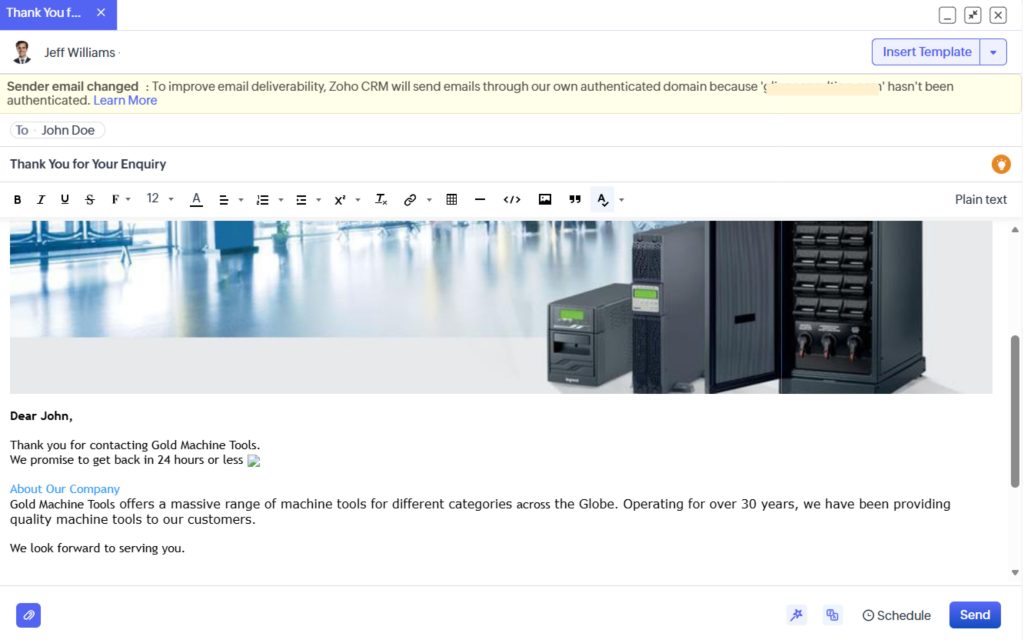
Customers expect quick responses.
A delayed reply often means losing the opportunity to a competitor. CRM automation sends instant acknowledgements as soon as a lead enters the system.
For example, when someone submits a website enquiry, the CRM can:
The customer receives immediate communication while the sales team prepares for the next interaction.
Following up consistently is one of the biggest challenges for sales teams.
Representatives often manage dozens of opportunities simultaneously. Without reminders, important conversations get delayed.
CRM automation schedules follow-up activities automatically.
The system can create:
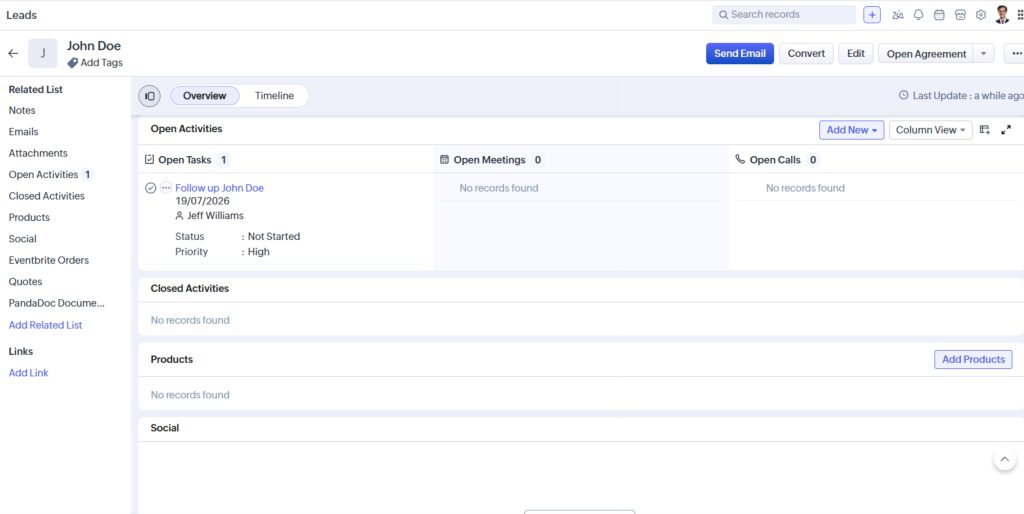
Each activity appears at the right time and Sales representatives no longer rely on memory.
This helps businesses manage leads with CRM more consistently.
Not every lead is ready to buy immediately. Some prospects need more information before making a decision.
Ignoring these leads creates unnecessary leakage. CRM automation keeps prospects engaged through nurturing campaigns.
For example, after downloading a brochure, a prospect may receive:
These communications happen automatically. Sales teams stay connected without spending additional time.
Lead nurturing also keeps your business visible until customers are ready to purchase.
Not every enquiry deserves equal attention. Some prospects have a higher probability of becoming customers.
CRM automation helps identify these opportunities using lead scoring.
Scores can increase based on:
Sales representatives focus on high-value prospects first. This improves productivity and increases conversion rates.
Instead of treating every enquiry equally, teams spend time where it matters most.
Every salesperson has a different working style. Without standardisation, customer experiences vary.
CRM automation ensures every lead follows the same process. Each stage includes mandatory activities before moving forward.
For example:
Lead Created → Contacted → Qualified → Demo Scheduled → Proposal Sent → Negotiation → Closed Won
Sales representatives cannot skip important steps. Managers also gain complete visibility into every opportunity.
A structured process reduces errors and creates a better buying experience.
One common reason for lead leakage is inactivity. Some opportunities remain untouched for weeks. Managers often discover them too late.
CRM automation identifies inactive leads automatically.
The system can generate alerts when:
Managers can intervene before the opportunity disappears. This proactive approach significantly reduces lead leakage.
Sales managers need accurate data to improve performance. CRM dashboards provide real-time insights into lead management.
Instead of reviewing spreadsheets, managers can monitor:
These reports reveal where lead leakage occurs.
Businesses can then improve specific parts of the sales process instead of making assumptions.
Imagine a software company receives 150 enquiries every week.
Previously, leads arrived by email. Sales representatives manually assigned enquiries and tracked follow-ups using spreadsheets. Several prospects waited two days for a response.
Many follow-up calls never happened.
After implementing automation in Zoho CRM for lead management, the process changed completely.
Within a few months, the company responded faster, improved follow-up consistency, and converted more qualified leads.
The business did not increase marketing spending. Instead, it simply stopped losing valuable opportunities.
Implementing a CRM is only the first step. To achieve consistent results, businesses must combine automation with well-defined sales processes.
Here are some best practices to help you manage leads more effectively.
The first interaction often determines whether a prospect continues the conversation.
Use CRM automation to acknowledge every enquiry immediately. Even a simple confirmation email builds confidence and sets expectations.
Faster responses improve customer experience and increase the chances of qualification.
Every lead should have a dedicated owner. Create assignment rules based on factors such as territory, product, industry, or team workload.
Clear ownership prevents confusion and ensures accountability.
Sales representatives handle multiple opportunities daily.
Automation removes the risk of forgotten tasks by creating reminders, calls, and emails automatically. Consistent follow-ups improve engagement and help move prospects through the sales pipeline.
Not every lead has the same potential. Lead scoring helps sales teams focus on prospects with the highest likelihood of conversion.
This improves productivity and reduces time spent on low-priority enquiries.
Automation provides valuable insights, but businesses should review reports frequently.
Track important metrics such as:
Regular reviews help identify bottlenecks before they affect revenue.
Customer expectations change over time. Review your automation rules regularly and update them as your sales process evolves.
Small improvements can significantly enhance efficiency and customer satisfaction.
A CRM should do more than store customer information. It should actively help your team manage and convert leads.
Zoho CRM offers a powerful set of automation tools designed to reduce manual work and improve sales efficiency.
With Zoho CRM, businesses can:
As your business grows, these capabilities help your sales team stay organised without increasing administrative effort.
Whether you receive dozens or hundreds of enquiries each month, Zoho CRM helps ensure every opportunity receives the attention it deserves.
Generating leads requires time, effort, and marketing investment. Losing those leads because of manual processes is both costly and avoidable.
CRM automation for lead management creates a structured sales process that captures every enquiry, assigns leads instantly, automates follow-ups, and provides complete visibility into your pipeline.
By choosing to manage leads with Zoho CRM, businesses reduce lead leakage, improve customer engagement, and increase conversion rates without adding unnecessary workload.
The result is a more productive sales team, happier customers, and sustainable business growth. If your business is still relying on spreadsheets, emails, or manual reminders, now is the right time to automate your lead management process. Here are our experts to help you know more.